

At first glance, an EV charging cable appears simple. Flexible jacket, copper conductors, two connectors. In reality, it is a high-current electromechanical system operating under thermal stress, environmental exposure and repeated mechanical load.
As charging speeds increase and utilisation rises across homes, workplaces and public networks, the engineering demands placed on charging cables have intensified. What used to be treated as a passive accessory is now a performance-critical component that directly influences efficiency, safety and long-term reliability.
Understanding how these cables are engineered reveals why design choices around heat, load handling and durability matter more than ever.
Heat Is The Governing Constraint
Every charging cable operates within the laws of resistive heating. When current flows through a conductor, resistance converts part of that energy into heat. The relationship is quadratic. If current doubles, heat generation increases by a factor of four for the same resistance.
This has two immediate engineering consequences.
First, conductor sizing and material purity are critical. Lower resistance reduces thermal losses and improves efficiency. Second, contact resistance inside connectors often becomes the dominant heat source. Even small increases in contact resistance can create concentrated hotspots, accelerating wear and insulation degradation.
In high-current applications, thermal margin is everything. A cable that runs consistently cooler under load will typically demonstrate both higher efficiency and longer service life.
Conductor Engineering Is About More Than Thickness
Many assume that thicker equals better. While cross-sectional area is central to resistance control, true performance depends on a combination of electrical and mechanical considerations.
High-quality copper with consistent purity ensures predictable conductivity. Strand design affects flexibility and fatigue resistance. A greater number of finer strands can improve bend tolerance and reduce stress concentration during repeated flexing.
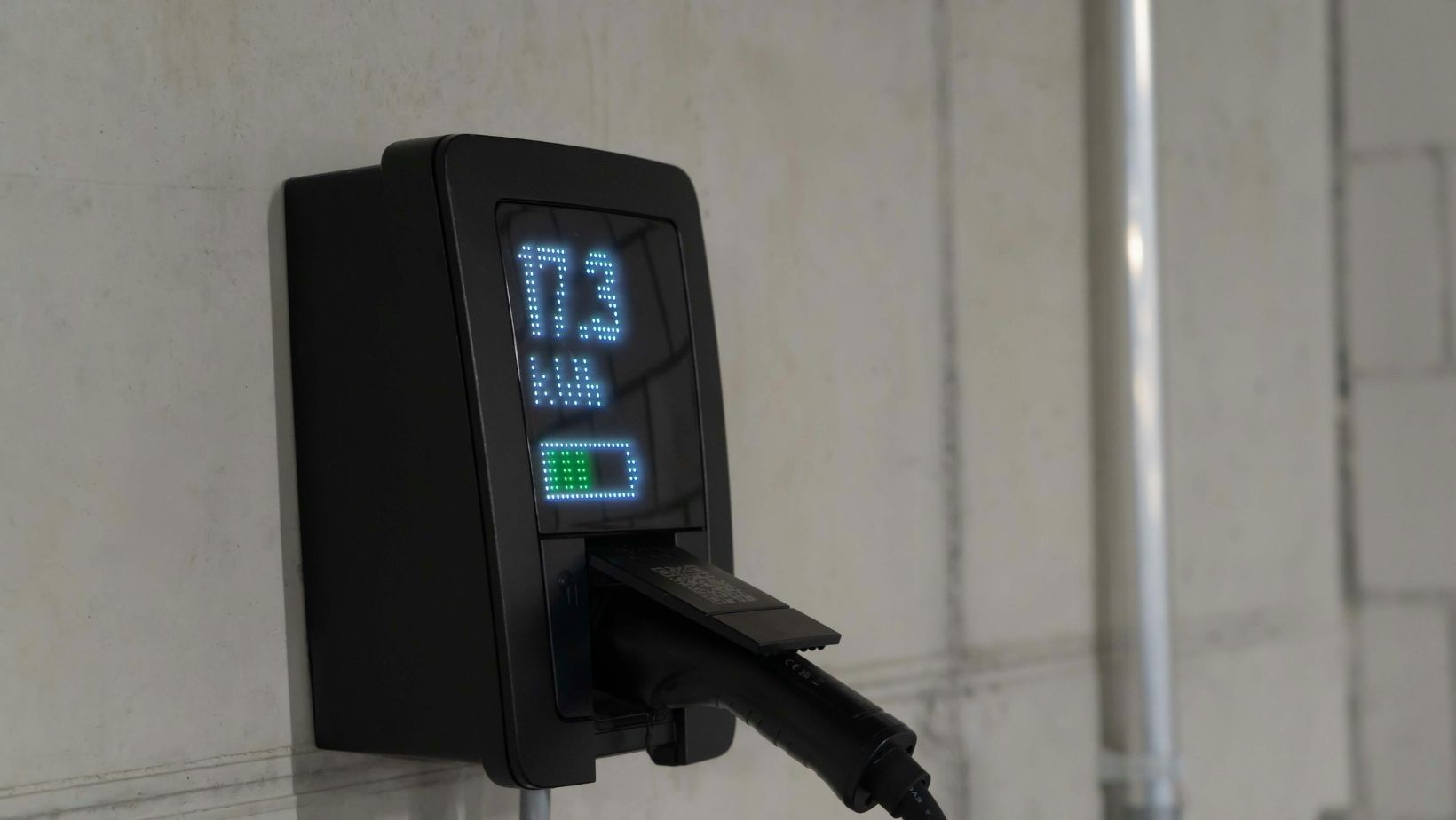
This matters because charging cables are rarely static. They are coiled, twisted, dragged across surfaces and exposed to cold weather handling. Over time, work hardening and micro-fractures in poorly designed conductors can increase resistance and reduce reliability.
Manufacturers that treat flexibility as an engineering requirement rather than a cosmetic feature tend to achieve better long-term outcomes.
Connector Design Determines Real-World Stability
While conductor design receives attention, connector engineering often defines failure behaviour.
The termination between conductor and contact must maintain low resistance under vibration, repeated insertion cycles and environmental exposure. If spring forces weaken or plating degrades, contact resistance rises. Increased resistance produces additional heat. Heat accelerates material ageing. The cycle reinforces itself.
Silver-plated copper contacts are frequently used in higher-quality assemblies because they maintain low and stable resistance over time. This reduces localised heating and helps preserve consistent charging performance.
Strain relief is equally important. Mechanical stress must not transfer directly to the termination point. Well-designed strain relief systems control bend radius and isolate internal connections from external movement.
Insulation, Environmental Sealing And Lifecycle Durability
Insulation systems must perform electrically and mechanically over years of use. Thermal cycling, UV exposure, moisture ingress and road contaminants all affect material behaviour.
Cold temperatures present a particular challenge. A cable that becomes rigid in winter conditions is more prone to cracking and internal damage. Conversely, materials that soften excessively under heat risk deformation and seal compromise.
Environmental sealing at the connector housing is especially critical. Moisture intrusion increases corrosion risk and degrades contact surfaces. IP-rated plug designs provide measurable assurance of dust and water resistance, which is essential for outdoor charging infrastructure.
Durability is not only about surviving a laboratory test. It is about maintaining consistent electrical behaviour after thousands of real-world handling cycles.
Standards Define The Baseline
EV charging connectors and cable assemblies operate within established standards frameworks. In Europe, IEC 62196 governs conductive charging connectors. In the UK and EU context, CE and UKCA marking confirm compliance with safety directives. Third-party verification such as TÜV certification adds additional assurance.
Standards ensure interoperability and safety. However, they define minimum requirements. Long-term performance depends on how far beyond minimum thresholds a product is engineered.
As charging infrastructure matures, procurement teams increasingly evaluate thermal performance, environmental protection and documented quality control processes rather than relying solely on certification marks.
Thermal Management At Higher Power Levels
As charging currents increase, passive thermal design approaches their limits. Some high-power systems now integrate temperature monitoring within connectors to enable controlled derating if thermal thresholds are approached.
In more advanced applications, liquid-cooled cable assemblies are being developed to manage extreme current densities. These solutions highlight a central engineering reality: heat removal is the limiting factor in high-power charging.
For mainstream AC charging and most commercial applications, however, robust passive design remains the foundation. Adequate conductor sizing, low-resistance contacts and stable insulation systems together determine how safely and efficiently a cable performs under sustained load.
Long-Term Performance Is A Mechanical Problem
Charging cables are handled daily. They are pulled from boots, dropped onto driveways, looped around wall hooks and exposed to weather.
Mechanical fatigue accumulates gradually. Jacket abrasion, connector latch wear and micro-movement at internal terminations all contribute to eventual degradation. When engineering for longevity, designers must anticipate misuse as well as intended use.
This means controlling bend radius transitions near connectors, reinforcing high-stress zones and ensuring that repeated insertion cycles do not compromise alignment or contact pressure.
When evaluating EV cables such as those designed for long-term durability and certified performance by European manufacturers like Voldt®, it is worth examining detailed specifications, environmental ratings and warranty terms rather than focusing solely on appearance. You can see an example of a structured, certification-led approach in these EV charging cables, where compliance, IP protection and long-term warranty are presented as engineering fundamentals rather than marketing add-ons.
Efficiency And Energy Loss Considerations
Charging losses are typically discussed in relation to conversion efficiency within the charger or vehicle. Yet resistive losses within the cable also contribute to overall system inefficiency.
A cable with lower resistance and stable contact interfaces wastes less energy as heat. Lower operating temperature reduces thermal ageing. Reduced ageing preserves electrical stability. The benefits compound over time.
At scale, particularly across fleets or high-utilisation public infrastructure, incremental efficiency improvements translate into measurable operational savings.
From Accessory To Infrastructure Component
As EV adoption accelerates, charging hardware is becoming infrastructure. Cables are no longer incidental accessories. They are load-bearing electrical components subject to thermal, mechanical and environmental stress.
Engineering them properly requires attention to conductor physics, contact metallurgy, insulation chemistry and mechanical design. Heat must be managed. Load must be carried without degradation. Performance must remain stable after years of daily handling.
When these principles are respected, charging cables become quiet enablers of reliable electrification rather than hidden points of failure.