
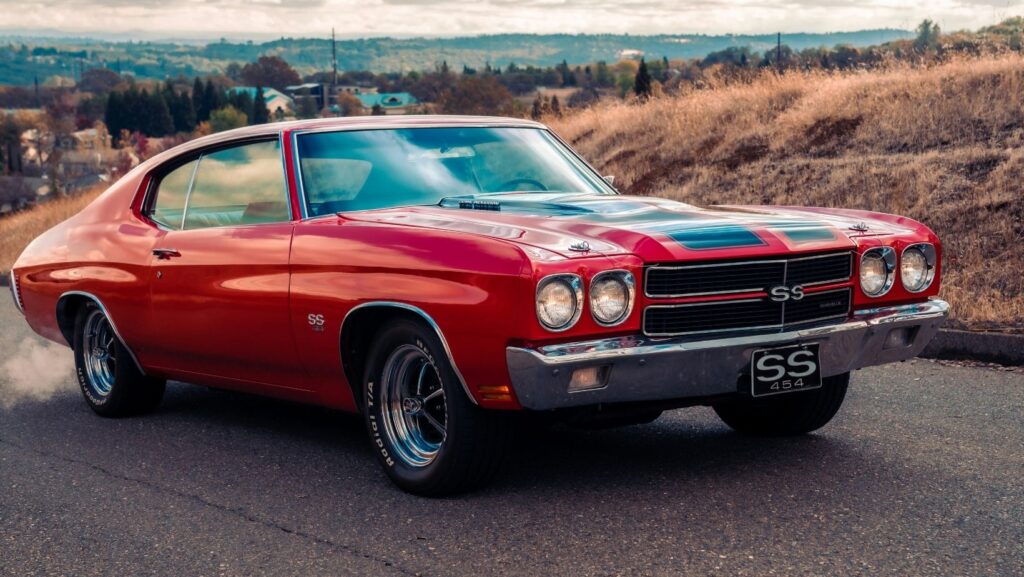
In an era defined by automation, software driven diagnostics, and advanced manufacturing, it can be easy to assume that traditional skill has become secondary in the automotive world. Yet for enthusiasts, restorers, and even the modern classic car purchaser craftsmanship remains a defining factor in quality, longevity, and value. Technology may streamline processes, but it cannot replace the human judgment and care that shape truly exceptional vehicles.
The Foundation of Automotive Excellence
Craftsmanship has always been at the heart of automotive progress, long before computers entered the workshop. Early vehicles relied entirely on skilled hands to shape metal, assemble components, and refine performance through experience rather than algorithms.
Even today, the most respected automotive builds are grounded in this same philosophy. Precision machining, careful assembly, and an understanding of materials come from hands on knowledge, not just digital specifications or automated systems.
Why Technology Alone Is Not Enough
Modern vehicles benefit enormously from technological advances, from improved safety systems to enhanced efficiency. However, technology functions best when guided by human expertise that understands context, limitations, and nuance.
A skilled technician or builder can identify subtle issues that software may overlook, such as material fatigue, imperfect alignment, or the long term impact of certain modifications. This human insight ensures that innovation enhances reliability rather than undermines it.
Craftsmanship and Long-Term Value
One of the clearest demonstrations of craftsmanship is its impact on long-term value. Vehicles built or restored with care tend to age better, perform more consistently, and retain their appeal over time.
This is especially true in the classic and enthusiast markets, where quality workmanship directly influences desirability. Buyers recognize when attention to detail has been prioritized, whether in mechanical integrity, fitment, or overall coherence of the vehicle.
The Role of Patience and Process
High-tech tools often emphasize speed and efficiency, but craftsmanship values patience and process. Rushing a build or restoration can lead to compromises that only become apparent years later.
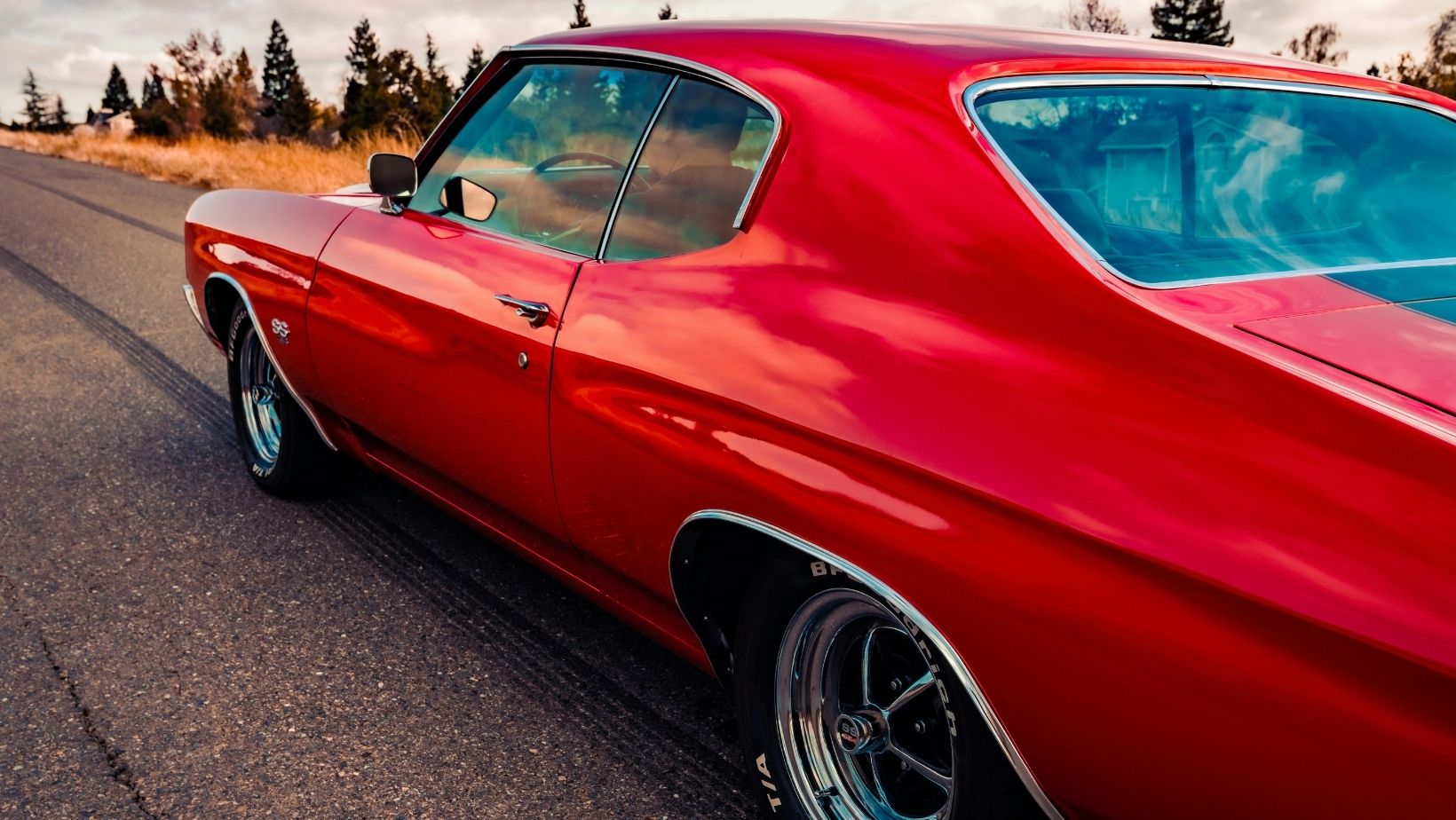
Experienced professionals understand when to slow down, reassess, and refine. This deliberate approach may take longer, but it results in vehicles that perform as intended and stand up to scrutiny long after trends and technologies have changed.
Preserving Automotive Identity
Craftsmanship also plays a critical role in preserving automotive identity. As vehicles become more standardized through mass production and shared platforms, skilled work helps maintain individuality and character.
Whether through thoughtful mechanical choices or faithful restoration techniques, craftsmanship ensures that vehicles retain their original spirit. This balance between authenticity and modern reliability is something only experienced hands can achieve.
Craftsmanship in a Digital Future
Looking ahead, the automotive industry will continue to evolve with advances in artificial intelligence, electrification, and automation. Yet these developments do not diminish the need for skilled professionals who understand the fundamentals of vehicle design and behavior.
Instead, craftsmanship will adapt, integrating new tools while preserving core principles. Those who combine technical knowledge with hands-on expertise will shape the future of automotive excellence.
Why Craftsmanship Remains Relevant
At its core, craftsmanship represents accountability and pride in work. It reflects a commitment to doing things correctly, not just quickly or cheaply.
In a high-tech automotive world, this mindset ensures that progress does not come at the expense of quality. It is the reason well-built vehicles continue to inspire trust, admiration, and lasting value.
In conclusion, while technology has transformed the automotive landscape, craftsmanship remains essential to its integrity. Skilled hands, informed judgment, and respect for process continue to define what separates ordinary vehicles from exceptional ones. As innovation accelerates, craftsmanship will remain the steady foundation that ensures automotive progress remains meaningful and enduring.