Many engineers and buyers struggle to meet tight part tolerances and control costs in car production. Precision metalwork helps parts fit better and last longer in vehicles. This post will show key metal fabrication processes, tools, and quality steps that cut waste and boost safety.
Read on.
Importance of Precision in Automotive Manufacturing
Precision is key in making safe and reliable vehicles. Automotive metal stamping is an important manufacturing process for producing high-quality components that meet the demanding requirements of modern vehicle manufacturing.
Meeting tighter tolerances and complex designs
Engineers demand tighter tolerances for modern parts. Advanced CNC machining and metal stamping achieve micron-level accuracy. Quality assurance verifies every component before assembly.
Complex designs include thin walls, narrow slots, and precise bosses. Specialized tooling and CNC machining control geometry and surface finish. These methods also enable use of lightweight and advanced materials.
Supporting lightweight and advanced materials
Precision metalwork shapes thin aluminum and high-strength steel into parts that cut weight and maintain strength. CNC machining and metal stamping hold tight tolerances for stamped panels, brackets, and chassis parts.
Quality assurance checks and precise tooling reduce scrap and speed up production runs. This work supports electric vehicles by fitting lightweight housings and battery enclosures with exact fits.
Advanced materials like magnesium alloys and hybrid metal-composite joints need precise hole locations and clean edges. Robotic welding and fine blanking create repeatable parts for structural and powertrain use.
Precision machining improves safety performance by keeping part geometry within spec. Manufacturers gain production efficiency and better component design from tighter controls.
Applications of Precision Metalwork in Automotive Components
Precision metalwork plays a key role in making strong and safe automotive parts. These components are essential for both traditional cars and newer electric vehicles.
Chassis and structural integrity components
Chassis parts require tight tolerances to keep vehicles safe. Manufacturers use metal stamping and precision machining to shape rails, crossmembers, and mounting brackets for component design.
Quality assurance teams inspect welds, joints, and fasteners to meet safety standards and improve safety performance. Next, we cover powertrain and under-hood parts.
Powertrain and under-hood parts
Powertrain and under-hood parts play a key role in vehicle performance. These components include the engine, transmission, and exhaust systems. Exact metalwork is essential to ensure these parts fit perfectly.
Tight tolerances enhance safety and reliability while improving overall performance.
Electric vehicles also rely on precision for their battery packs and motor housings. High-quality fabrication supports efficient energy use. Every detail matters in automotive manufacturing; it ensures that each part functions as intended.
Now, we will explore the technologies driving precision metalwork.
Electric vehicle (EV) battery and motor components
Electric vehicles (EVs) use special battery and motor components. These parts must meet high standards for performance and safety. Precision metalwork plays an essential role in making these components strong and lightweight.
Manufacturers create the battery cases with strict tolerances to ensure they fit perfectly. The motors rely on precise machining to work effectively.
High-quality metal stamping is vital for creating reliable EV parts. Each component needs to connect well with others in the vehicle. CNC machining allows manufacturers to create complex designs easily, boosting efficiency during production.
Quality assurance checks guarantee that every piece meets safety standards before assembly begins. This focus on detail helps improve vehicle performance and longevity.
Technologies Driving Precision Metalwork
CNC machining offers high accuracy in cutting and shaping metal parts. Robotic welding ensures strong joints with speed and consistency, making it ideal for automotive production.
CNC machining and robotic welding
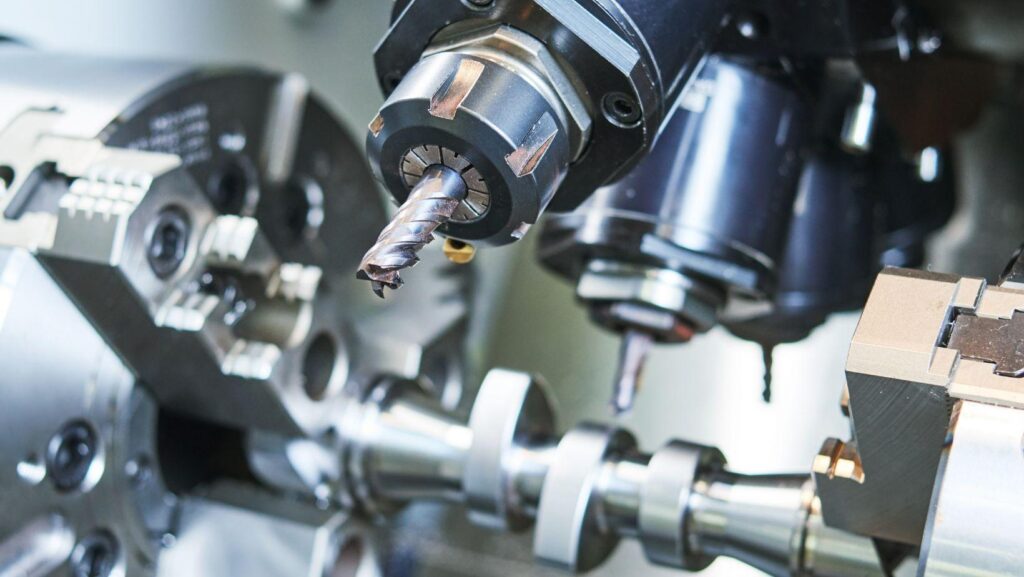
CNC machining and robotic welding are key methods in precision metalwork. CNC machining cuts metal with high accuracy. It shapes components with tight tolerances, ensuring the right fit for automotive parts.
This process uses computer-controlled tools to create complex designs quickly.
Robotic welding adds strength to car components. Robots perform precise welds, reducing human error. These machines can work faster than people, increasing production efficiency. They ensure strong joints between metal pieces, which improves safety performance in vehicles.
Both technologies support the growing need for quality automotive manufacturing as electric vehicles become more popular.
Laser cutting and fineblanking
CNC machining and robotic welding lead to other important processes. Laser cutting is one of them. This method uses a laser beam to cut metal with high precision. It creates clean edges and complex shapes quickly.
Fineblanking is another process that forms parts from metal sheets using pressure. This technique ensures tight tolerances, making it ideal for automotive components.
Both methods contribute to advanced designs in the automotive industry. They help create lightweight parts for electric vehicles and enhance production efficiency. Quality assurance becomes easier with these technologies, as they provide consistent results every time.
Benefits of Precision Metalwork in Automotive Manufacturing
Precision metalwork boosts safety and reliability in cars. It also improves production efficiency and reduces waste in manufacturing.
Improved safety and reliability
Precision metalwork improves safety and reliability in automotive manufacturing. Higher quality parts meet strict safety standards. Each component is made to tight tolerances, reducing the risk of failure.
This creates a safer driving experience for everyone.
Quality assurance processes are vital. They ensure that every part fits perfectly and works as expected. Reliable components lead to fewer breakdowns on the road, helping drivers feel secure in their vehicles.
Automotive manufacturers rely on precision machining and metal stamping to deliver trusted products that keep people safe.
Scalable production and material efficiency
Scalable production allows manufacturers to quickly adjust their output. This means they can meet the rising demand for automotive parts without wasting resources. Using precision metalwork helps streamline processes and reduce material waste.
Material efficiency ensures minimal scrap during production. Techniques like CNC machining and metal stamping allow for better use of materials. These methods create high-quality parts while lowering costs.
Precision engineering leads to lighter vehicles that consume less fuel, benefiting both manufacturers and consumers in the automotive industry.
Conclusion
Precision metalwork plays a key role in automotive manufacturing. It ensures parts fit perfectly and work safely. This improves vehicle performance and safety for drivers. Advanced tools help create these high-quality components efficiently.
As the industry grows, precision metalwork will remain vital for innovation and quality assurance.