
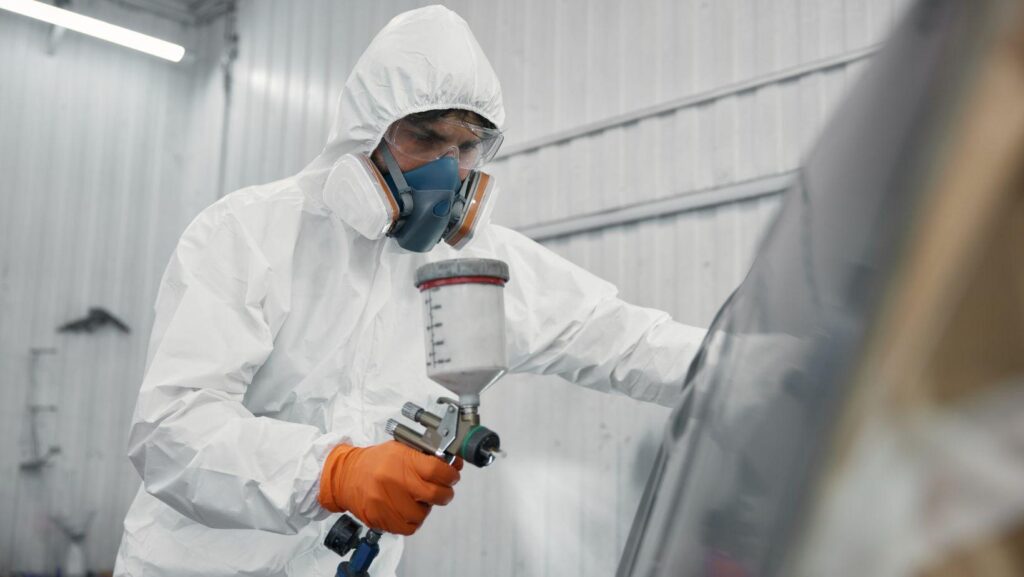
A tired-looking car does not always need a full respray. Sometimes the paint only needs a small repair. In other cases, polishing can improve the finish but cannot fix deeper damage. Choosing the wrong solution can leave you paying twice.
The useful question is not simply, “How much will a respray cost?” It is, “What problem am I actually trying to solve?” If the paint is faded across several panels, damaged by repeated scratches, or badly mismatched after earlier repairs, looking at professional car respray singapore options can help you understand whether repainting is the sensible next step.
Start With The Paint Damage
Look closely at the damaged area in daylight. A scratch that only affects the clear coat may respond well to polishing. A scratch that exposes the primer or metal is a different matter. It needs proper preparation before new paint can bond correctly.
There is another clue that is easy to miss: the damage may be wider than it first appears. Imagine a door with a long scratch that has also chipped paint around its edges. Painting only the visible line may leave an obvious patch. The better solution may involve preparing and blending a larger section.
Know When Polishing Falls Short
Polishing removes or smooths a very thin layer from the surface. That makes it useful for light marks, dullness and some swirl marks. It cannot replace paint that is no longer there.
This creates a common mistake. Owners sometimes polish a badly scratched panel because it is cheaper than repainting. The panel may look better for a short time, but the exposed area remains. If moisture reaches bare metal, the problem can become more expensive later.
A simple decision rule helps: if you can feel the scratch clearly with your fingernail, do not assume polishing will solve it. Have the paint depth and damage assessed before choosing the treatment.
Consider The Whole Panel
A repair does not always need to cover the whole car. But painting one small area can create another problem: colour difference.
Paint changes over time because of sunlight, weather and general use. Even if the original paint code is known, fresh paint may look slightly different from older surrounding paint. That is why blending matters when a damaged area sits beside an otherwise healthy panel.
Think about a silver door on a five-year-old car. The new paint may be technically correct but still appear brighter than the rear door in certain light. A good repair considers how the new finish will meet the existing one, rather than treating the damaged spot in isolation.
Add Up The Real Cost
The cheapest quote is not always the cheapest repair.
Suppose a single panel costs $300 to repaint, while a smaller repair costs $180. Saving $120 sounds attractive. But if the smaller repair produces a visible colour boundary and the panel later needs to be redone, the saving disappears.
Before deciding, ask what is included:
- Surface preparation and sanding
- Primer where required
- Colour matching and blending
- Clear coat application
- Final finishing and inspection
The important comparison is not just the price. It is the result you expect to keep for the next few years.
Think About Your Car’s Age
Your plans for the car should influence the decision too.
If you expect to sell it soon, repairing a few highly visible panels may make more sense than repainting areas that still look good. If you plan to keep the car for many years, several faded or damaged panels may justify a broader paint solution.
There is also a psychological trap here. Once one panel looks fresh, the older panels beside it can suddenly look worse. That can tempt you into repainting more of the car than you originally intended. Decide your goal before the work starts: restore one damaged area, improve several panels, or refresh the vehicle’s overall appearance.
Choose The Repair By Evidence
Good decisions usually come from inspecting the actual paint rather than guessing from photographs or a quick description.
Ask what caused the damage, how deep it is, whether the surrounding paint has faded, and how the new finish will be blended. Those questions help separate a genuine repair from a cosmetic shortcut.
The best choice is therefore not automatically the biggest job or the lowest price. It is the smallest appropriate solution that fixes the underlying problem and gives you a finish you can live with. Once you look at the damage, the surrounding panels and your plans for the car together, the right paint decision becomes much easier.