
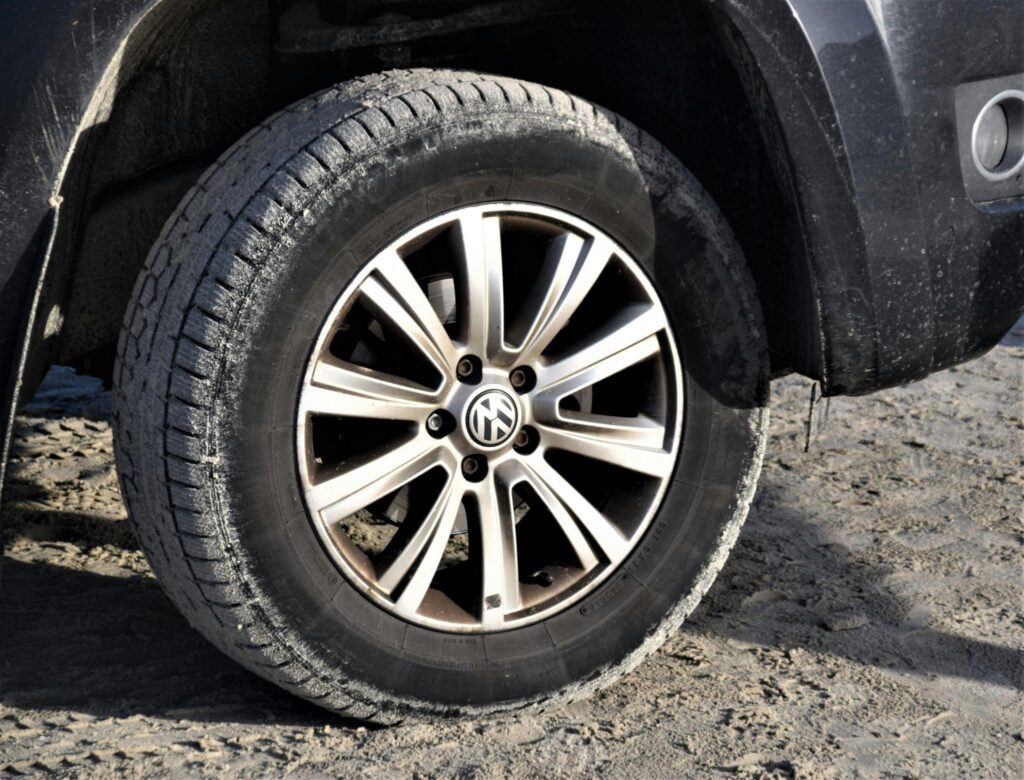
Choosing a replacement tyre can feel like a small decision buried inside a bigger repair bill, which is exactly why it is so easy to get wrong. A slightly different width, a lower profile chosen for looks, or a size picked simply because it was the cheapest option in stock can all quietly change how a car performs, long after the receipt is forgotten.
None of these mistakes tend to announce themselves immediately. A car with the wrong tyre size usually still drives, still passes a glance in the mirror, and still gets the family from A to B. The effects show up gradually instead, in a rougher ride, a higher fuel bill, or reduced grip in exactly the moment a driver needs it most.
Fitters describe a familiar version of this story. A driver comes in for a routine replacement, is offered a slightly cheaper alternative size that is in stock that day, and accepts it without asking what the difference actually means. Months later, the same driver returns confused about why fuel economy has dipped or why the ride suddenly feels harsher, rarely connecting it back to a tyre decision made in passing.
The Safety and Handling Risks of Getting It Wrong
The most consequential mistake is fitting a tyre with a lower load index or speed rating than the vehicle manufacturer specifies. Both figures exist to match the tyre’s engineering to the car’s weight and performance envelope, and a mismatch here is not cosmetic, it directly affects how the tyre performs under hard braking, at motorway speeds, or when the car is fully loaded with passengers and luggage.
Mixing tyre sizes across an axle is another common error, often the result of replacing a single damaged tyre without checking whether it matches the others already on the car. The National Highway Traffic Safety Administration’s tyre safety guidance points out that tyres of different sizes or tread depths on the same axle can create uneven grip levels side to side, which becomes especially dangerous during sudden steering or braking manoeuvres, exactly when consistent handling matters most.
Overall diameter is easy to overlook but affects more than most drivers expect. A replacement tyre with a noticeably different diameter than the original changes the effective gearing at the wheel, which can throw off speedometer accuracy and, in some vehicles, interfere with how anti-lock braking and stability control systems calculate wheel speed. A difference that looks minor on paper can be enough to trigger inconsistent readings from those safety systems.
Ground clearance and wheel well clearance round out the list of handling risks. A significantly taller or wider tyre than specified can rub against the wheel arch during turns or over bumps, causing damage to both the tyre and the bodywork, while a tyre that sits noticeably smaller than intended reduces the ground clearance margin a vehicle was designed with.
Towing and heavy loading make these risks more acute rather than less. A family car regularly loaded with passengers, luggage, or a trailer relies on its tyres being rated for the weight the manufacturer expects, and a lower load index than specified can mean a tyre is operating closer to its structural limit on every fully loaded trip, even if it never shows an obvious sign of strain until the day it fails.
The Hidden Costs to Comfort and Fuel Economy
Comfort is often the first thing drivers notice after fitting the wrong size, even if they cannot immediately explain why. A lower profile tyre, chosen for a sportier look, has less sidewall to absorb bumps, which transmits more road imperfection directly into the cabin and can make everyday potholes and expansion joints noticeably harsher than they were on the original specification.
Road noise tends to follow the same pattern. Wider tyres and lower profiles generally increase the amount of tyre noise transmitted into the cabin, particularly at motorway speeds, since there is more contact patch and less cushioning sidewall to dampen the sound of tread meeting road surface.
Fuel economy is where tyre size mistakes become a genuinely ongoing cost rather than a one time inconvenience. Wider tyres create more rolling resistance, meaning the engine has to work harder to keep the car moving at the same speed, which shows up as reduced fuel efficiency over the life of the tyre. The European Commission’s guidance on tyre energy labelling explains that rolling resistance is one of the three factors, alongside wet grip and external noise, that every tyre sold in the EU must now be graded on, precisely because it has a measurable and lasting effect on a vehicle’s fuel consumption.
The U.S. Department of Energy’s fuel economy guidance reinforces the same point from a maintenance angle, noting that tyres significantly out of specification, whether in size or inflation, can measurably reduce miles per gallon over time. For a family that drives a set of tyres for tens of thousands of miles, even a small percentage loss in efficiency adds up to a real cost at the pump.
Tyre pressure compounds whichever size a driver ends up choosing, which is part of why the two decisions are easy to confuse. A correctly sized tyre run at the wrong pressure loses much of its efficiency advantage, while an oversized tyre run at the correct pressure still carries more rolling resistance than the size the manufacturer intended. Getting size right and then maintaining proper pressure are separate habits, and skipping either one undercuts the benefit of getting the other correct.
Drivers weighing an alternative size, whether to save money or because a preferred size is out of stock, do not need to guess at whether the difference is safe to accept. Using a tyre size calculator on Ovoko allows a driver to compare overall diameter and rolling circumference between two sizes before ordering, flagging whether an alternative falls within the small tolerance manufacturers generally consider acceptable or strays far enough to affect handling, comfort, and fuel use.
Conclusion: Small Differences Add Up Over Thousands of Miles
None of the mistakes covered here happen because a driver is being careless. They happen because tyre size looks like a simple number on a sidewall rather than a specification tied to how a car brakes, handles, rides, and consumes fuel. A width chosen for appearance, a size picked because it was on sale, or a single tyre swapped without checking the others can each carry consequences that only become obvious months later.
Checking the manufacturer’s specified size, confirming load index and speed rating rather than diameter alone, and comparing any proposed alternative against the original before buying are small steps that take only a few minutes. Over the thousands of miles a set of tyres typically covers, that small bit of diligence is what keeps a car handling, riding, and running exactly the way it was designed to.