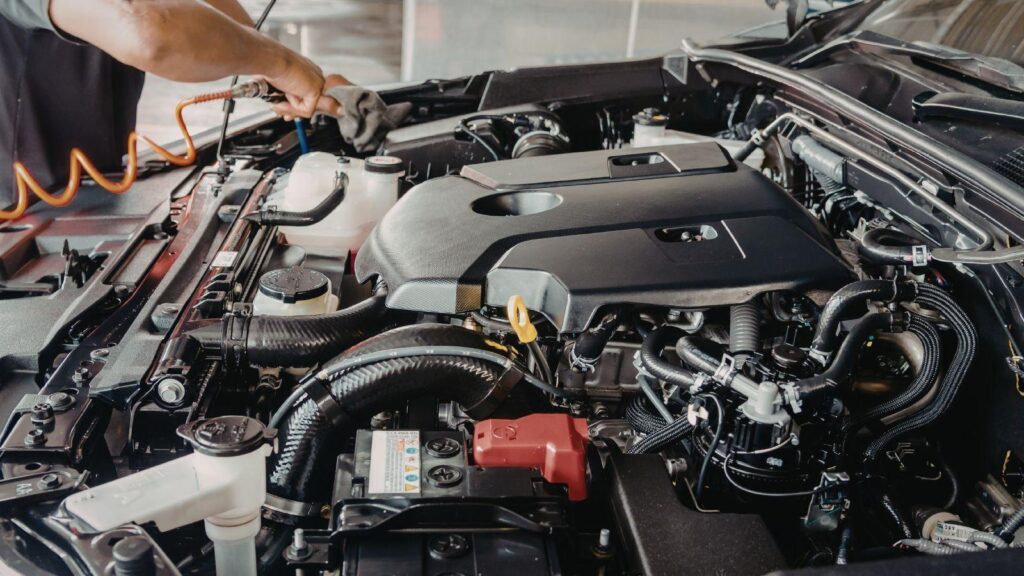
Ask most drivers what causes crashes and you will get the usual list: speeding, texting, bad weather. All true. But a real share of the worst wrecks, the kind that leave people hunting for a lawyer handling auto wrecks, start somewhere quieter. Under the hood of a car nobody bothered to maintain.
These failures do not make the news. They just wait. A worn part gives out at the one moment you needed it, and an ordinary Tuesday drive turns into an emergency. The upside is that almost all of it is preventable, and it does not take much.
So here is what actually fails, why it matters, and how to catch it first.
Why Maintenance Is a Safety Issue, Not Just a Cost
Skipping maintenance is not only a hit to your wallet. It is a safety gamble, and not just with your own life.
The government has measured this directly. In its National Motor Vehicle Crash Causation Survey, the National Highway Traffic Safety Administration (NHTSA) pinned roughly 2% of crashes on the vehicle itself, with tire trouble coming out on top. You can review more details directly through official NHTSA vehicle safety guidelines.
Two percent does not sound like much. Spread across every crash in a year, though, it works out to tens of thousands of wrecks a decent inspection might have caught.
And parts rarely fail politely. They tend to go during hard braking, mid-turn, or in the half-second you are stopping short in traffic. That timing is what makes small neglect so dangerous.
The Most Dangerous Maintenance Failures
A short list of neglected systems accounts for most maintenance-related crashes. These are the ones to keep an eye on.
Worn or Underinflated Tires Bad tires top the list, and it is not close. They are the only thing connecting a couple of tons of metal to the road, so when they let go, your control goes with them. The usual culprits include bald tread that cannot grip wet pavement and stretches your stopping distance, underinflation that overheats the rubber and invites a blowout at highway speed, and dry rot that weakens aging rubber. Picture it on wet pavement where worn tires tack dozens of feet onto your stopping distance. Fix: Check pressure once a month and read the tread with a penny. Slide one in with Lincoln's head pointing down. If you can see the top of his head, the tire is finished.
Failing or Neglected Brakes Brakes sit second on the list, right behind tires. Once they start to fade, so does your margin for avoiding just about anything in front of you. Signs worth taking seriously include squealing or grinding noises when slowing down, a soft or spongy pedal, the car pulling to one side, or a dashboard warning light. Worn pads, low fluid, and warped rotors each quietly eat into your stopping power. Catch it early for a simple pad job, or ignore it for a far worse, more expensive day.
Burned-Out or Dim Lights Dead lights cause crashes because other drivers simply cannot see you. It is also one of the cheapest fixes here, and one people skip constantly. The danger climbs after dark and in rain or fog because a dead brake light gives no warning, a missing turn signal leaves everyone guessing, and dim headlights cut down your forward visibility. Fix: Once a month, have someone stand behind the car while you work the brakes and each signal. Two minutes, tops.
Steering and Suspension Problems Worn steering and suspension make a car unpredictable, and you usually find out at the worst possible time when you go to swerve. Tells to watch for include a vibrating steering wheel, drifting on flat roads, uneven tire wear, and clunks over bumps. These parts keep your tires pressed to the pavement, and when they wear out, the car floats or wanders.
Worn Wipers and Neglected Fluids Bad visibility and neglected fluids cause more wrecks than people give them credit for. Small stuff, sure, but it guards seeing the road and keeping the engine running. Easy oversights include streaky wiper blades, empty washer reservoirs, low oil or coolant, and tired batteries.
A Maintenance Schedule That Prevents Most Failures
Most of these failures come down to routine, or the lack of one. You do not have to be a mechanic. You have to be consistent.
Every month, check tire pressure and tread, test every exterior light, and top off washer fluid. Every oil change, roughly every 3,000 to 7,500 miles, rotate the tires and have the brakes, belts, and fluids looked over. Twice a year, swap the wiper blades and test the battery, ideally before winter and before summer. Once a year, get steering, suspension, and alignment properly inspected.
Drop those reminders in your phone and safety stops being something you have to remember. It just happens.
What Happens When a Maintenance Failure Causes a Crash
Once neglect causes a wreck, the question of who is responsible gets murky fast. Fault might land on the driver, the shop that did the work, or the company that built the part. A few ways it plays out include a tire blowing because a shop mounted it wrong, a brake system failing on a defective part, or a commercial vehicle owner skipping required inspections.
Untangling any of that usually means inspecting the car and pulling its service records. Someone hurt in a crash they did not cause is often wise to talk to an experienced auto accident lawyer for legal guidance before they settle or sign anything.
The goal is not to point fingers. It is to remember that a car's maintenance history can carry real weight after a serious collision.
A Quick Pre-Drive Safety Checklist
Before a long haul, run a quick gut check. Verify that your tires are inflated and have decent tread, your brakes are quiet and firm, all exterior lights are working, wipers and washer fluid are ready for rain, and your dashboard shows no warning lights. If something feels off, deal with it before you back out of the driveway.
Final Thoughts on Vehicle Upkeep
Of everything that causes serious crashes, neglected maintenance is among the easiest to prevent. Tires, brakes, lights, steering, and clear glass do quiet work every single time you drive. A few minutes a month costs far less than a wreck, and every so often it is the whole difference between a routine trip and a terrible one.
Look after the car. It tends to return the favor.