
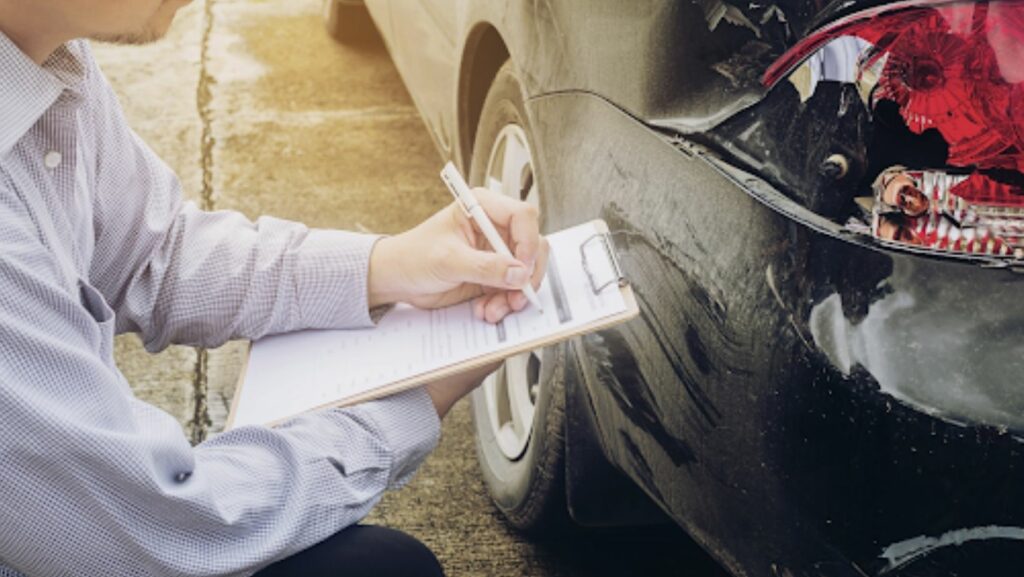
Investigating a car accident starts with understanding what pieces of information can truly reveal how and why the crash happened. In many cities where traffic moves between crowded business districts and narrow residential lanes, collisions can unfold in seconds, leaving drivers unsure of what to do next.
Places with fast-changing weather, heavy commute hours, and mixed road conditions often see accidents that require a more thorough review. Due to these unpredictable factors, a car accident lawyer typically begins by collecting the evidence that shows exactly what occurred and who may be responsible.
Why Immediate Investigation Matters
Time works against you after a collision. Skid marks fade in hours, debris gets cleared away, and people who saw what happened go back to their routines. Attorneys know that early steps, like documenting the scene before anything changes, can make the difference between a strong claim and a weak one.
Documenting the Accident Scene
A clear, well-documented scene helps create an honest picture of the accident. Photos, videos, and quick notes taken right after the crash often become crucial later.
Here’s what to capture:
- Wide-angle shots showing both vehicles
- Close-ups of the damage and the road surface
- Traffic lights, signs, and weather conditions
- Any unusual smells, noises, or mechanical issues
Sometimes the smallest detail becomes the key once an attorney reviews everything together.
Gathering Witness Statements
Witnesses often remember things the drivers don’t. A personal injury attorney will typically try to find people who saw the crash from various angles. Even a short statement, such as whether a driver seemed distracted or which direction the vehicles were traveling, can clear up conflicting versions of the incident.

If possible, try to collect:
- Names and phone numbers
- A brief written or recorded statement
- The direction the witness was facing at the time
This keeps crucial information from fading or getting mixed up over time.
Preserving Physical Evidence
Physical evidence isn’t limited to the vehicles. Broken lights, tire marks, debris patterns, or even spilled fluids can help explain how the impact occurred. Attorneys sometimes bring in accident reconstruction specialists to study these details.
Useful physical evidence may include:
- Damaged car parts
- The position of glass or debris
- Marks on guardrails or the roadway
- Bumper or panel deformation
Each clue helps recreate the sequence of the crash.
Obtaining Police Reports
A police report is one of the most reliable pieces of documentation you can have. It usually includes diagrams, statements, potential citations, and the officer’s observations. Attorneys compare these details against other evidence to spot inconsistencies and strengthen the claim.
Be sure to request your copy as soon as it’s available.
Securing Medical Records
For injury claims, medical documentation is everything. These records link the accident to your injuries and clearly show the level of harm you suffered. Car accident lawyers always advise clients to get checked by a doctor right away, as many symptoms don’t show up until hours or days later.
Medical evidence often includes:
- ER summaries
- X-rays and imaging results
- Treatment plans
- Physical therapy notes
- Specialist evaluations
How Attorneys Put Everything Together
A skilled personal injury attorney brings all the pieces into one coherent story. They study timelines, compare witness accounts, match physical evidence with police diagrams, and use medical reports to illustrate how the accident impacted your daily life. This organized, detailed approach gives them leverage during insurance negotiations and builds a solid foundation if the case goes to court.
Key Takeaways
- Start investigating right away to preserve vital details.
- Use photos, videos, and notes to document the scene.
- Gather witness information before people leave.
- Save physical evidence and obtain the police report.
- Keep thorough medical records to support your injuries.
- An experienced car accident lawyer can connect every piece of evidence to build a strong claim.