The logistics sector is entering a new phase of development, where efficiency is no longer determined solely by transport capacity or warehouse size. Digitalisation, evolving supply chains, sustainability goals, and rising customer expectations are reshaping the way companies manage goods and organise their operations. As businesses prepare for the future, they are increasingly looking beyond individual facilities and focusing on the broader industrial environment that supports long-term success.
Logistics in Hungary: location still leads the way
When evaluating a logistics center near Budapest, companies often focus on one key question: how can they remain close to the country’s largest economic centre without facing the operational challenges associated with a metropolitan location?
Székesfehérvár provides a compelling answer. Located approximately 64 kilometres from Budapest, the city offers excellent motorway and railway connections while maintaining a highly developed industrial environment. This combination allows businesses to benefit from efficient access to suppliers, customers, and national transport corridors without the congestion and higher operating costs typically associated with the capital. Within this regional logistics ecosystem, the Ikarus Industrial Park occupies a strategic position in the southern industrial zone of the city, providing businesses with flexible industrial and warehouse facilities supported by well-developed infrastructure.
Modern logistics requires more than warehouse space
Warehouse capacity remains important, but today’s logistics operations depend on far more than square metres. Businesses increasingly require facilities that support integrated operations, where storage, production, administration, and distribution can function together efficiently.
Industrial parks have therefore evolved into comprehensive business environments rather than simple property developments. Flexible layouts, reliable utilities, and opportunities for future expansion have become essential considerations for companies planning long-term investments.
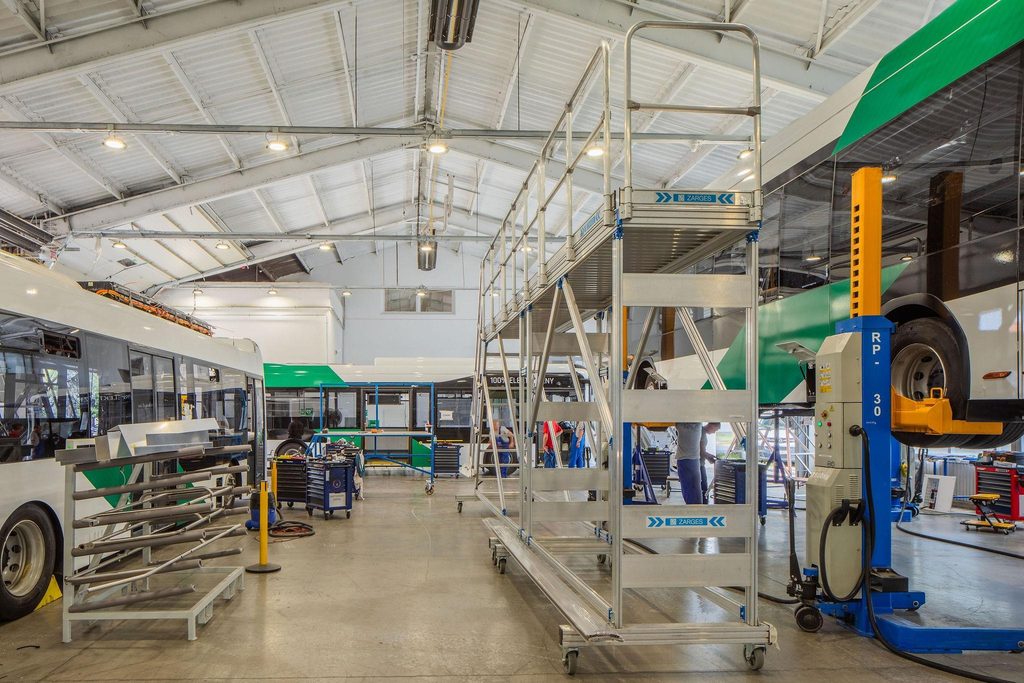
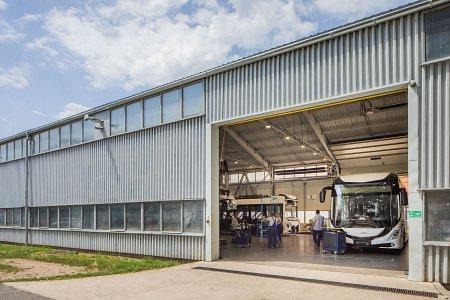
The Ikarus Industrial Park reflects this approach by offering a diverse range of industrial buildings, warehouses, workshops, office spaces, and open industrial areas capable of serving companies with different operational profiles.
Digitalisation is transforming everyday operations
One of the defining characteristics of modern logistics is the increasing role of digital technologies. Warehouse management systems, automated inventory control, barcode scanning, RFID solutions, and real-time operational monitoring are becoming standard tools throughout the industry.
These technologies enable businesses to improve inventory accuracy, reduce manual processes, and accelerate order fulfilment. However, their effectiveness depends on the physical environment in which they operate.
Infrastructure supports supply chain reliability
Reliable logistics begins with reliable infrastructure. Efficient transport connections, uninterrupted utility services, and professional facility management all contribute to smooth day-to-day operations.
When it comes to the Ikarus Industrial Park, its location provides direct access to major road and railway networks, supporting efficient domestic and international transport. At the same time, the site’s developed infrastructure (including electricity, water supply, natural gas, and modern telecommunications) helps ensure operational continuity. Professional services such as maintenance, security, and facility management further strengthen the stability of the business environment, allowing companies to focus on their core activities rather than operational administration.
Sustainable development is becoming standard practice
Sustainability is no longer viewed as a separate business objective, it is becoming an integral part of logistics strategy. Companies are increasingly seeking ways to optimise transport routes, improve warehouse efficiency, and make better use of industrial infrastructure.
Well-planned industrial parks contribute to these goals by reducing unnecessary movement, supporting efficient site layouts, and enabling multiple business functions to operate within a single location. This integrated approach not only supports environmental objectives but also helps businesses improve productivity and reduce long-term operating costs.
Building resilient logistics operations for the future
The logistics sector will continue to evolve as technology advances and supply chains become increasingly interconnected. Yet while digital tools and automation will shape future operations, the importance of choosing the right industrial location will remain constant.
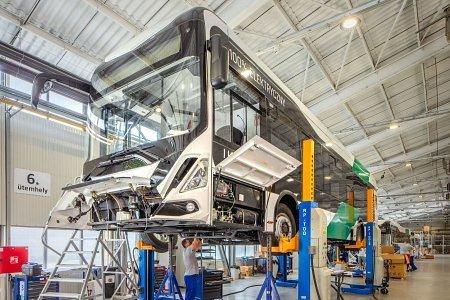
Industrial parks that combine strategic positioning, modern infrastructure, and operational flexibility will continue to play a central role in supporting business growth. The Ikarus Industrial Park in Székesfehérvár, Hungary demonstrates how these elements can come together to create an environment that meets the expectations of modern logistics companies while providing the stability needed for long-term development.