
Picture this: a teenager with a rare heart defect sits in a hospital room, clutching a 3D-printed model of her own heart. Her surgeon points to the tiny, twisted vessels and explains how they’ll fix them. This isn’t science fiction—it’s one of the many biomedical engineering innovations changing real lives right now. If you’ve ever wondered how science fiction becomes science fact, you’re in the right place.
What Makes Biomedical Engineering Innovations So Personal?
Let’s get real. Biomedical engineering innovations aren’t just about fancy machines or high-tech labs. They’re about people—like you, your family, your friends—living longer, healthier lives. Every breakthrough starts with a problem: a child who can’t walk, a parent waiting for a transplant, a doctor searching for answers. Biomedical engineers step in, blending biology, medicine, and technology to solve these problems in ways that feel almost magical.
3D Printing: From Imagination to Operating Room
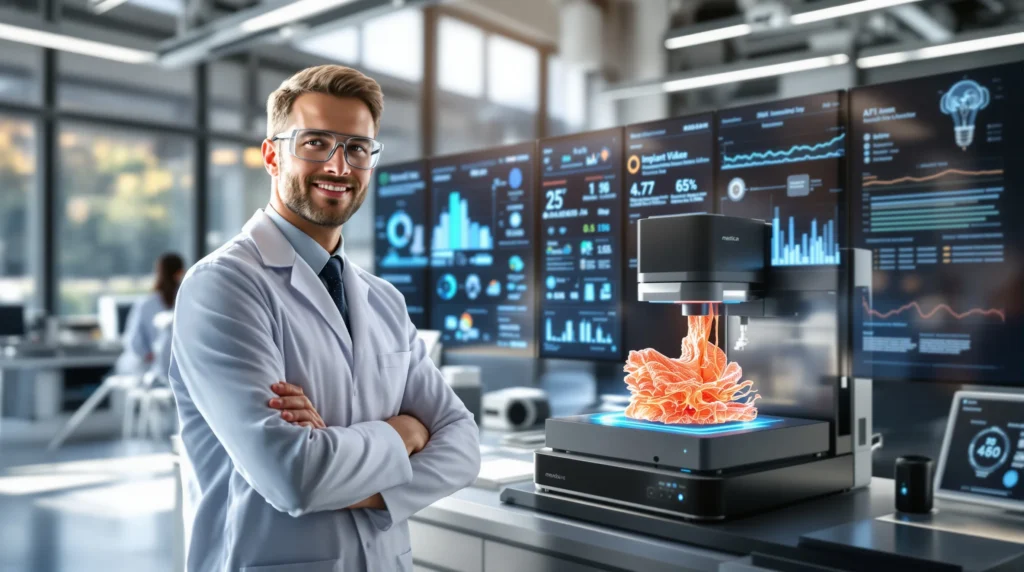
Remember that heart model? 3D printing has exploded in hospitals. Surgeons now hold exact replicas of organs before they ever pick up a scalpel. This means fewer surprises in the operating room and better outcomes for patients. In 2023, doctors at Boston Children’s Hospital used 3D-printed airway splints to save infants with life-threatening breathing problems. The splints, made from biodegradable materials, kept airways open until the babies grew strong enough to breathe on their own.
Here’s why this matters: 3D printing lets doctors practice on a patient’s unique anatomy. Mistakes happen on the model, not the person. Recovery times drop. Scars shrink. Lives change.
Wearable Tech: Your Body, Your Data
If you’ve ever worn a fitness tracker, you’ve already tasted biomedical engineering innovations. But the latest wearables go way beyond counting steps. Think smart patches that monitor blood sugar without needles, or shirts that track heart rhythms in real time. In 2024, researchers at Stanford developed a skin-like sensor that detects early signs of dehydration—before you even feel thirsty.
For people with chronic illnesses, these devices mean freedom. No more guessing if your blood pressure is spiking. No more surprise hospital visits. Just real-time data, right on your wrist or skin. The best part? These tools put power back in your hands. You become the expert on your own body.
Artificial Organs: Hope for the Waiting List
Every year, thousands wait for organ transplants. Many never get the call. Biomedical engineering innovations are rewriting this story. Scientists have created artificial hearts, kidneys, and even lungs that keep patients alive while they wait—or sometimes replace the need for a donor altogether.
Take the story of a man in France who received a fully artificial heart in 2022. He walked out of the hospital weeks later, carrying a battery pack in his backpack. It’s not perfect, but it’s a start. The dream? One day, no one dies waiting for an organ.
Gene Editing: Fixing Problems at the Source
Here’s the part nobody tells you: gene editing isn’t just about designer babies or sci-fi movies. It’s about fixing diseases before they start. In 2023, doctors used CRISPR to treat sickle cell anemia in a teenager. One injection, and her symptoms vanished. She went from constant pain to running track with her friends.
Gene editing holds promise for conditions like cystic fibrosis, muscular dystrophy, and even some cancers. But it’s not for everyone. The risks are real, and the ethics are complicated. If you’re curious, talk to your doctor and ask hard questions. This technology is powerful, but it’s not a magic bullet.
Robotics in Surgery: Steady Hands, Better Outcomes
Imagine a robot with hands steadier than any human, guided by a surgeon’s touch. Robotic surgery systems like the da Vinci have performed millions of procedures worldwide. These machines allow for smaller incisions, less pain, and faster recovery. In 2024, a team in Japan used a surgical robot to remove a brain tumor the size of a grape—without damaging healthy tissue nearby.
But here’s the catch: robots don’t replace surgeons. They amplify their skills. The best results come from teams who know when to trust the machine and when to trust their gut.
Who Benefits Most from Biomedical Engineering Innovations?
If you’ve ever felt frustrated by slow medical progress, these advances are for you. They’re for patients who want answers, families who need hope, and doctors who refuse to give up. But they’re not a cure-all. Not every hospital has access to the latest tech. Not every patient can afford it. The challenge now is making these breakthroughs available to everyone, not just a lucky few.
Lessons Learned: Mistakes, Surprises, and the Road Ahead
Let’s be honest. Not every biomedical engineering innovation works the first time. Some fail spectacularly. In 2021, a bionic eye implant promised to restore sight, but early models malfunctioned, leaving patients in the dark. Engineers listened, learned, and improved the design. Now, new versions are helping people see faces for the first time in years.
The lesson? Progress is messy. Mistakes happen. But every setback teaches us something new. If you’re working in this field, don’t be afraid to fail. If you’re a patient, ask questions and demand better answers. The future belongs to the curious and the persistent.
Next Steps: How to Get Involved
Curious about biomedical engineering innovations? Start by following research from top universities like MIT, Stanford, and Johns Hopkins. Volunteer for clinical trials if you’re eligible. Support organizations that fund medical research. If you’re a student, consider studying biomedical engineering—it’s a field where you can literally change lives.
And if you’re just here for the stories, keep reading. The next big breakthrough might be closer than you think. Biomedical engineering innovations aren’t just changing medicine—they’re changing what it means to be human.