
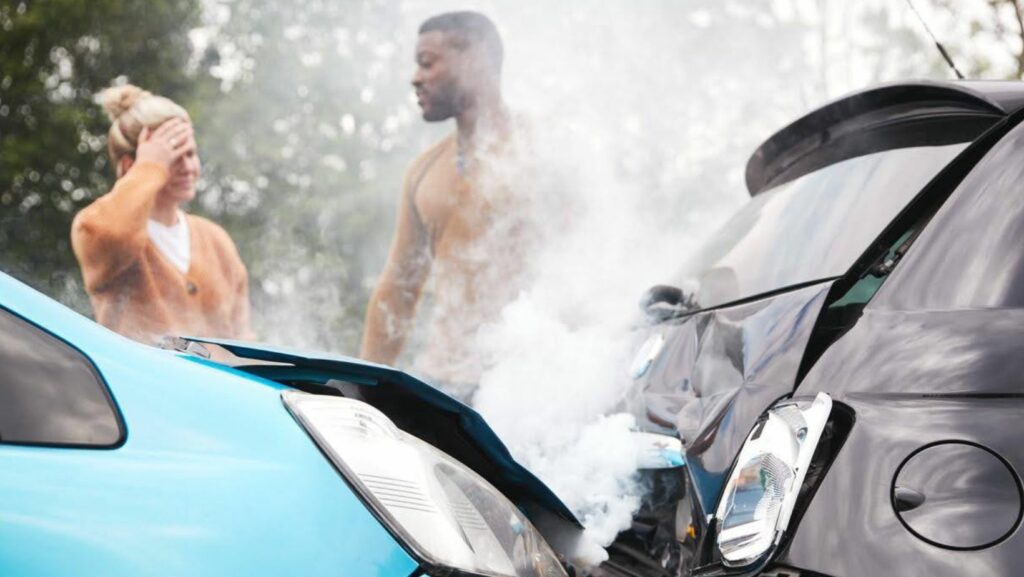
Brake checking is when a driver slams on the brakes on purpose, either to scare, warn, or simply annoy the car behind them. Usually, it’s not about safety; it’s about anger.
Perhaps the driver behind was following too closely, what we refer to as tailgating, or maybe they honked or flashed their lights. The driver in front decides to ‘teach them a lesson’ by braking hard.
Brake checking doesn’t solve anything. It just makes the road more dangerous for all concerned. In fact, there are many car accidents caused by brake checking, often leading to injuries, property damage, and legal complications.
For those completing the online Ohio limited term license driver education ages 18 to 20, understanding the dangers of brake-checking is essential for safe driving.
Why Do People Brake Check?
People brake-check for a few common reasons:
- Road rage: They’re angry because someone cut them off or is tailgating.
- Getting insurance money: There are those who deliberately cause an accident to claim damages from the other driver’s insurance.
- To prove a point: They want to make the driver behind them back off.
For whatever reason, it is ill-advised to perform a brake check. It can easily result in an accident, and if such occurs, the driver who brake-checked may be at fault.
Who’s at Fault in a Brake-Checking Accident?
Generally, when there is a rear-end collision, the driver in the back is held responsible. That’s because drivers have a duty to keep a safe distance to be able to stop in time.
That is different, however, if someone brake checks on purpose. If investigators can prove the front driver hit the brakes on purpose and for no reason, then they could be held responsible for the crash. Here’s how it might play out:
If the front driver suddenly braked to avoid hitting a squirrel or to stop at a light, that’s not brake checking. That’s a normal, safe reaction. But if the driver brakes hard just in order to scare the person behind, and an accident happens, that’s reckless driving or even aggressive driving, and both are serious traffic offenses.
What Does the Law Say About Brake Checking?
Most places consider brake-checking as either negligent or reckless driving. This means the driver wasn’t using reasonable care on the road. Reckless driving can result in:
- Traffic tickets or fines
- License suspension
- Higher insurance rates
- Possible imprisonment in case of serious injury to someone
And if it’s proven that the driver caused the crash on purpose for money from insurance, it’s insurance fraud. That can bring even tougher punishment, such as heavy fines or prison.
How to Prove Brake Checking Happened
It’s not always easy to prove a brake check happened on purpose. But here are a few ways police and insurance companies figure it out:
- Dashcam footage is the most powerful proof. A video can clearly show if someone hit the brakes for no reason.
- Witnesses: Other drivers or pedestrians may have seen what happened.
- Car data: Most modern cars record speed and braking data that can indicate sudden, unnecessary stops.
- Road conditions: Skid marks, traffic, and surroundings are considered by investigators to determine the actual cause of the crash.
What You Should Do Instead
If someone is tailgating you or driving aggressively, just don’t brake-check them. It simply isn’t worth the risk of what could happen. You can do this instead:
- Stay calm
- Change lanes safely and let the tailgater pass
- Keep a steady speed
- If the other driver is acting dangerously, then call the police
Remember, safety always comes first before proving a point.
Conclusion
It may seem like such a small thing, but:
- Brake checking can have big repercussions. It’s dangerous, against the law, and can lead to serious mishaps or even lawsuits.
- The other motorist may be very annoying, but hitting your brakes on purpose is never the answer.