
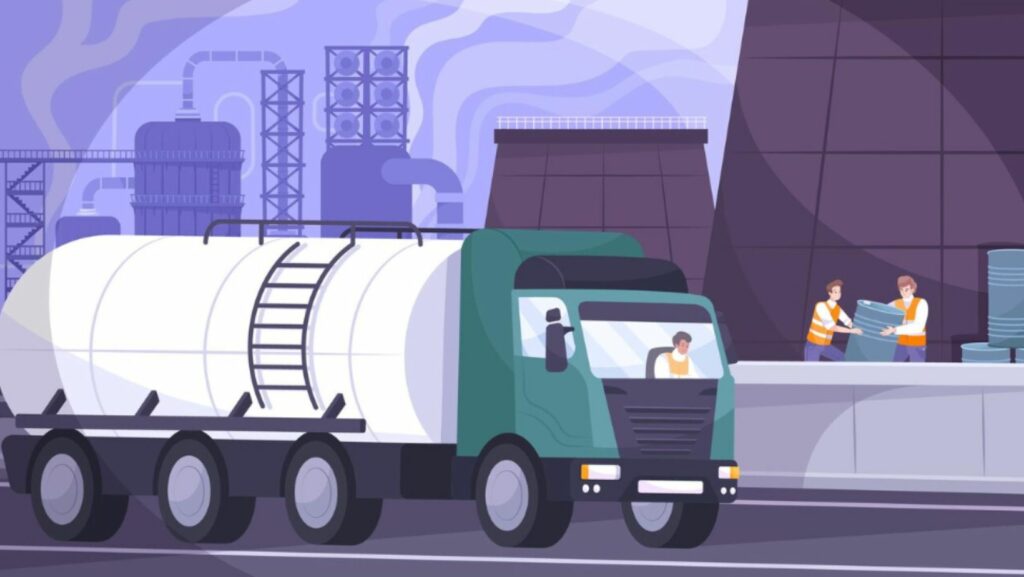
Storage and transportation of fuels are critical in the agricultural, construction, mining, and logistics sectors. Fuel, when mishandled, may create serious safety, environmental, and compliance hazards.
Adopting the ideal practices not only safeguards employees and equipment but also facilitates efficient operations across locations. With the right approach, managing fuel doesn’t have to be a slippery slope.
Asking yourself: How can you handle fuel storage and its transportation like a pro? If that’s the case, rest assured; you’re now at the right place. Below are some tried-and-tested tips to help you get it done like no other way. Let’s break them down…
1. Be Aware of the Type and Risks of the Fuel
Various types of fuels, such as diesel, petrol, aviation fuel, and lubricants, have different flash points, storage conditions, and risks. Knowing these characteristics helps determine proper storage conditions, handling procedures, and emergency responses.
Inspecting safety data and regulatory instructions ensures that fuels are stored at a distance from ignition sources and incompatible materials. When risks are clearly understood, you’re not flying blind when it comes to fuel safety.
2. Use Purpose-Built Storage and Transport Equipment
Containers and systems used to store and transport fuel must be purpose-made. Certified tanks minimise the risk of leakage, spills, and evaporation losses and enhance handling effectiveness.
Innovative solutions, such as a portable fuel tank from TTI, offer durability, mobility, and controlled dispensing in demanding work environments. There is no better investment than quality equipment for long-term safety and reliability.
3. Ensure Proper Labelling and Secure Storage
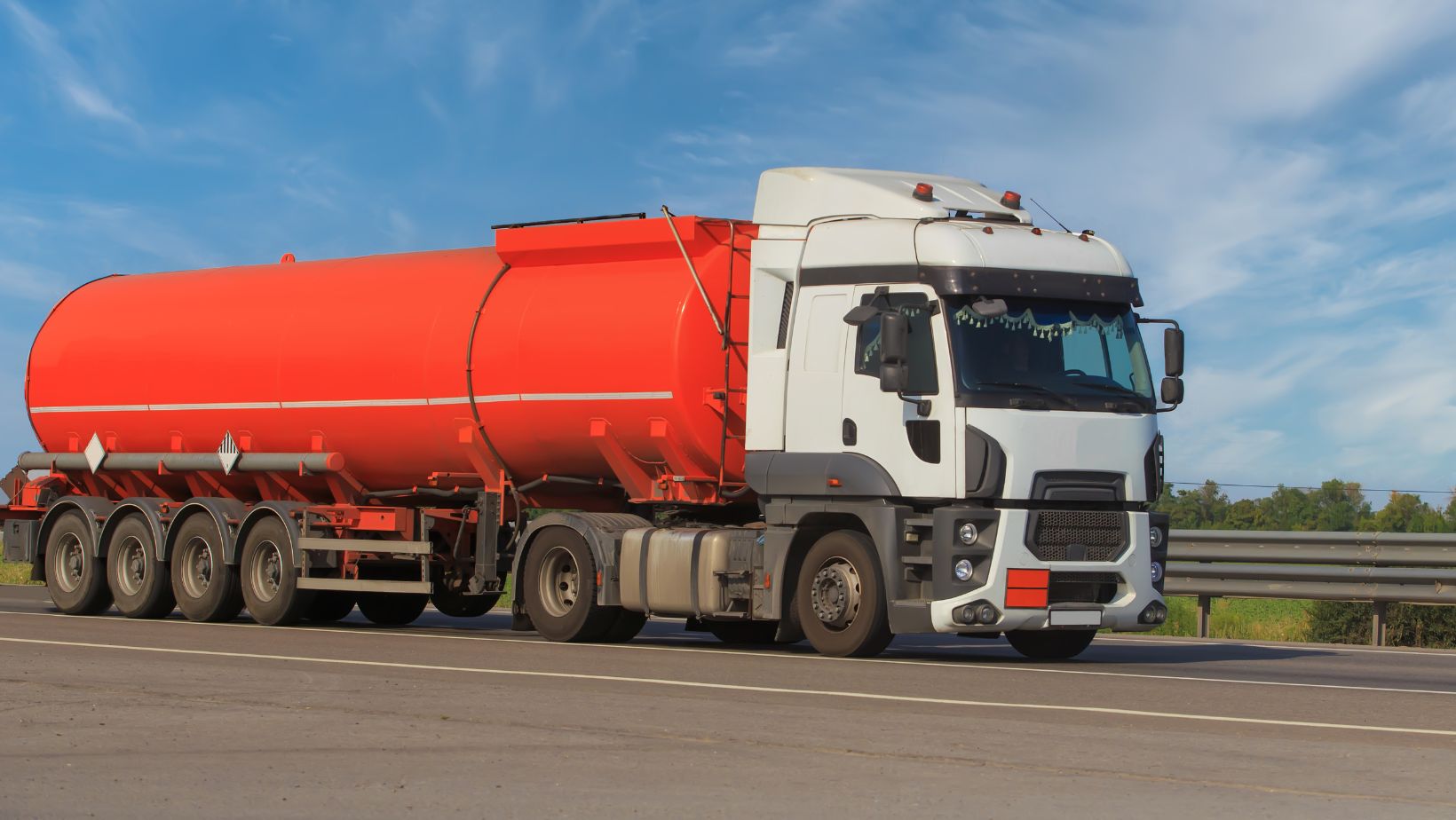
It’s necessary to clearly label the type of fuel, hazards, and instructions for handling it at a glance. Storage space must be safe, well-ventilated, and protected from unauthorised access and severe weather.
Adequate signage is another effective way to ensure emergency responders act swiftly in the event of an incident. These precautions will assure you that confusion is avoided and that potential hazards are kept under lock and key.
4. Educate Workers On Safe Fuel Handling
Even a sound storage system will fail when the workers are not well-trained. Employees are supposed to know how to refuel safely, how to prevent spills, and how to respond to emergencies.
Frequent training helps strengthen awareness and minimise complacency over time. As soon as employees learn to be responsible with fuel, safety becomes a natural response rather than a secondary factor.
5. Inspect and Maintain Periodically
Regular inspection of tanks, hoses, fittings, and transport vehicles is used to detect wear or damage before failure occurs. Preventive maintenance will minimise downtime and fuel loss, and help comply with regulations.
If you keep accurate inspection records, it will demonstrate your commitment to safety. By being proactive, you can address minor issues before they escalate into significant ones.
Wrapping It Up
Overall, the safe storage and transportation of fuel require awareness of fuel properties, appropriate use of equipment, human training, and system consistency.
When all these steps are taken, organisations can mitigate risk, safeguard the environment, and ensure their operational efficiency. Remember, when safety is prioritised, everyone benefits in the long term.