

Cars have changed dramatically over the past few decades. What used to be largely mechanical machines are now rolling networks of sensors, microcontrollers, and computerized systems. Everything from engine management to infotainment, driver-assistance features, and emissions control depends on a complex electrical ecosystem. That’s why a vehicle’s ability to deliver consistent, clean energy is no longer a convenience, but a prerequisite of safety and performance.
Even relatively basic functions like fuel injection timing and anti-lock braking rely on dependable power. A weak battery or failing electrical subsystem does more than prevent a car from starting; it can compromise performance and, in some cases, safety.
The Hidden Cost of Power Failure on the Road
Electrical failures in vehicles are more common than many drivers realize. Batteries and electrical issues are often responsible for roadside assistance calls, making them one of the most frequent reasons for on-the-spot breakdowns.
That statistic reflects how critical a healthy electrical system is across all types of driving conditions. Older vehicles with degraded batteries or corroded connections may start fine on a cool morning, then falter under load or at high drain situations such as prolonged idling with accessories running. Modern cars are even more sensitive because of the proliferation of electronics that draw power even when the engine is off.
How Vehicles Keep Essential Systems Running
Modern vehicles juggle dozens of electrical demands at once. Steering sensors, braking systems, engine controls, navigation displays- all draw from the same power ecosystem. Most drivers never think about it, but maintaining steady voltage across these components is what keeps everything behaving predictably on the road.
In technical settings, this kind of reliability is often described as a critical power system, but in automotive terms, it simply comes down to how well a car manages energy between the battery, alternator, and onboard electronics. When that balance slips, small issues can cascade into larger problems like sluggish starts, warning lights, or intermittent system failures.
This is where automotive electrical upgrades, quality maintenance, and, in some cases, after-market solutions become important. Ensuring that the critical path of electrical delivery, from generation to storage to distribution, is solid means fewer surprises for the driver.
Advances in Automotive Electrical Technology
As vehicles adopt more electrification, including hybrid and fully electric powertrains, the electrical system’s complexity grows. In electric vehicles (EVs), batteries are literally the engine, and the way they store and deliver energy dictates range, performance, and longevity.
To illustrate automotive energy trends, the International Energy Agency reports that global electric car stock exceeded 16 million in 2023, up from just 5 million in 2018. This rapid increase underscores how the industry is moving toward systems where electrical power isn’t a convenience; it’s the foundation of propulsion.
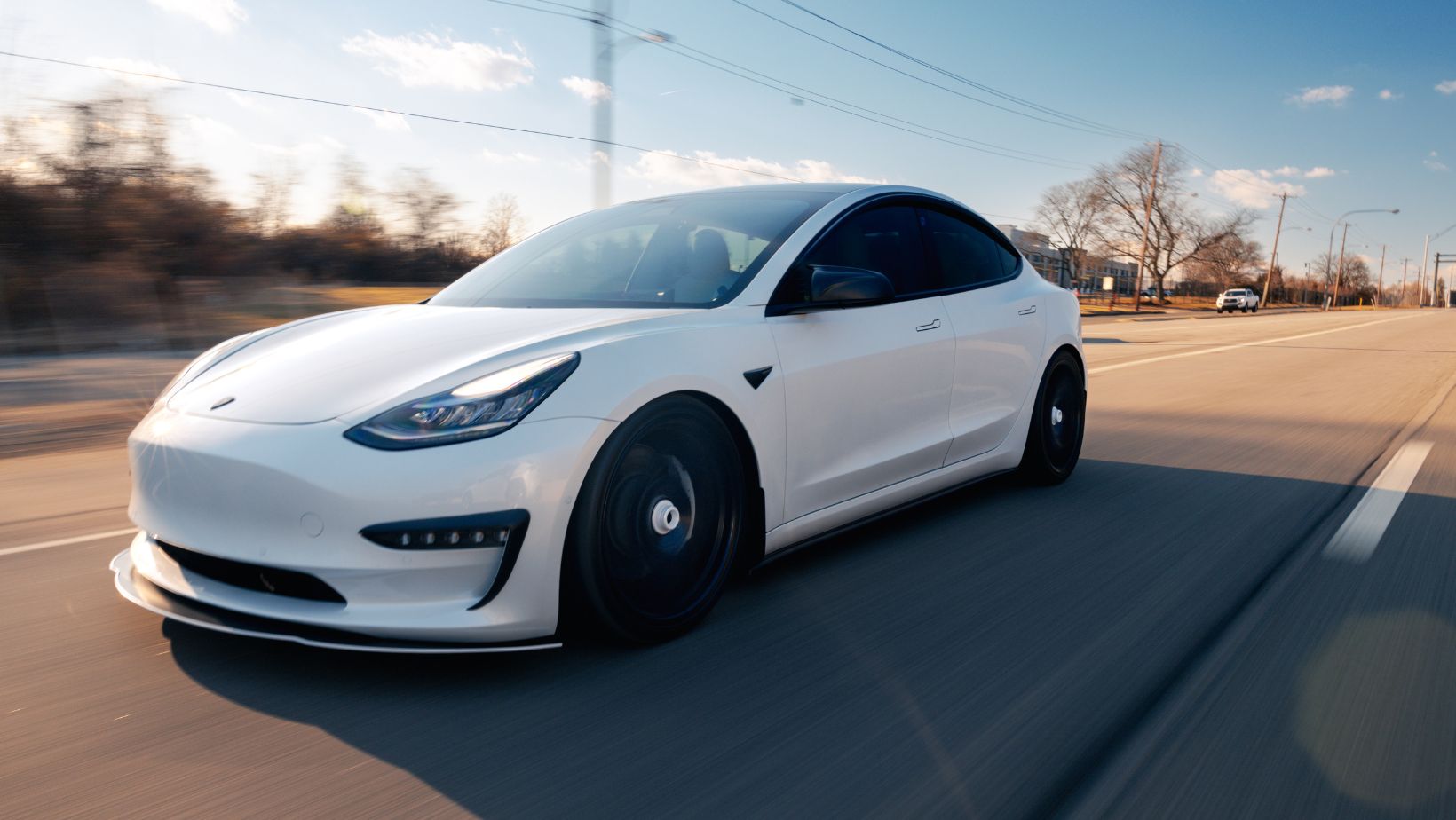
Even in internal combustion vehicles, energy recovery systems like start-stop technology, regenerative braking, and onboard computers require consistent power. These advances raise the bar for electrical system quality and demand better components and maintenance practices.
Practical Steps for Vehicle Owners
For everyday drivers, a few practical habits can make a big difference in electrical reliability:
- Regular inspections: Have the battery, alternator, and wiring checked as part of routine maintenance. Corrosion, loose connections, or weak terminals can silently erode system performance.
- Understand load demands: Adding accessories like high-power audio, lighting, or aftermarket modules increases electrical load. Good planning can prevent unexpected drain.
- Watch for warning signs: Dim lighting at idle, slow cranking, flickering displays, or unintended resets are not normal and may signal electrical stress.
On the repair and upgrade side, investing in quality components and professional assessment can extend the useful life of a vehicle’s electrical network and prevent mid-trip surprises.
Endnote
A car’s electrical system is much more than a convenience. It is essential to engine control, safety features, comfort systems, and, increasingly, propulsion in electrified vehicles. Understanding how your vehicle manages and delivers electrical power helps you make better decisions about maintenance, upgrades, and troubleshooting.