
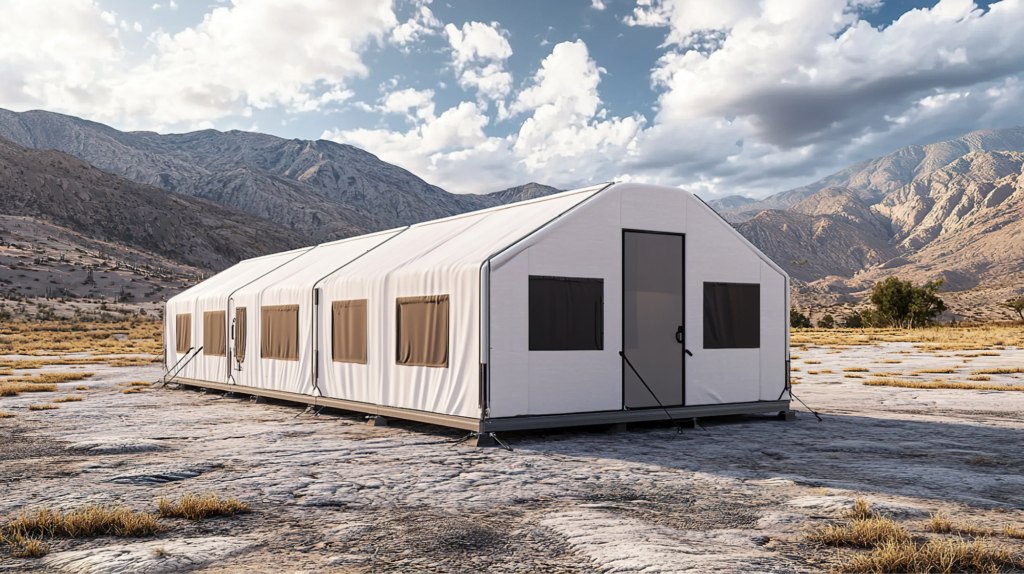
Deployable shelters solve a simple but demanding problem. Teams need usable space fast, often in places where permanent buildings are not possible. Engineers play a direct role in whether these systems perform as intended once they leave the drawing board. Design choices affect setup time, safety, durability, and long-term use in harsh conditions.
What Makes a Deployable Shelter Different
Deployable shelters are a market that’s expected to be worth USD$1.4 billion by 2034. They are built to move, assemble, and disassemble without losing structural reliability. Unlike fixed buildings, they must handle repeated transport and changing ground conditions while still protecting people and equipment.
A modular system approach supports this goal. Components are designed to connect in predictable ways, which allows shelters to scale up or down based on space needs. That modularity also makes repairs easier in the field, since damaged sections can be replaced without tearing down the entire structure.
Structural Design Basics Engineers Need to Get Right
Temporary does not mean lightweight in responsibility. Engineers must plan for real loads and real use, even if the structure will only stand for weeks or months.
Load paths matter as much here as they do in permanent buildings. Forces from wind, occupancy, and equipment must travel cleanly through the frame to the ground. At the same time, engineers must plan square feet carefully. Interior layouts often change depending on the mission, so clear spans and flexible anchoring points become part of the structural plan.
Structural Segments and Assembly Logic
Most deployable shelters rely on structural segments that repeat across the system. These segments simplify manufacturing and speed assembly, but only if connections are designed with tolerance in mind. Field conditions are rarely perfect.
Wedge-shaped segments often appear in curved or expanding designs. Their geometry helps distribute stress evenly and reduces weak points at joints. When used correctly, they improve stability without adding unnecessary weight.
Rigid, Rigid-Walled, and Hybrid Shelter Systems
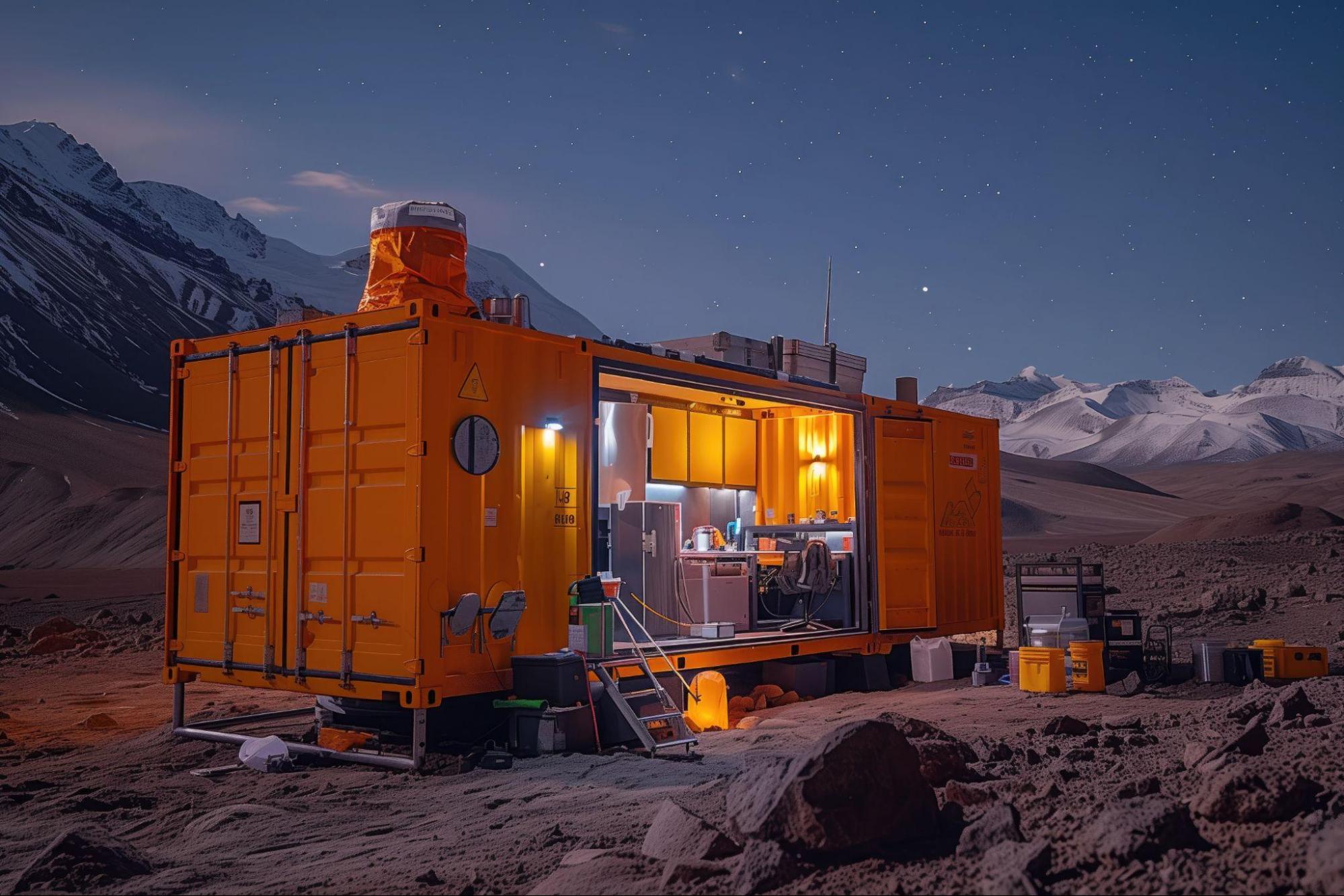
Not all deployable shelters behave the same once assembled. A rigid wall shelter uses hard panels or frames to create solid walls and roofs. These systems offer strong protection and predictable performance under load.
Rigid walled deployable structures work well when environmental exposure is high or when sensitive equipment is inside. The tradeoff comes in transport weight and setup effort, which can limit use in remote areas.
When a Hybrid Shelter System Is the Better Fit
Hybrid designs blend rigid frames with flexible wall or roof sections. This approach reduces overall weight while still providing defined structure where loads concentrate.
Hybrid shelter systems often suit operations that need frequent relocation. Engineers must balance fabric tension, frame stiffness, and connection strength so the system behaves as one structure rather than separate parts.
Deployment Methods and Mechanical Systems
How a shelter goes up affects both safety and speed. Some systems rely on ground-based assembly, while others use mechanical assistance to expand into place.
Deployable truss designs support rapid expansion by unfolding into a stable frame. These systems reduce manual labor and lower the risk of misaligned components during setup.
Central Shaft and Vertical Deployment Designs
Central shaft systems allow shelters to rise from a compact footprint into full height. This vertical deployment method works well in tight spaces or uneven terrain where horizontal assembly would be difficult.
Vertical deployment also shortens exposure time during setup. In harsh weather, that reduction can make the difference between a safe installation and a delayed operation.
Environmental Loads and Operational Conditions
Environmental forces do not scale down just because a structure is temporary. Engineers must design for snow loads, high winds, and shifting ground, often with limited anchoring options.
Environmental hazards also include temperature swings, moisture, and debris impact. Material choices and connection details should reflect the worst expected conditions, not the average ones.
Interior Conditions and Climate Control
Interior performance matters as much as exterior strength. Many operations require a climate-controlled solution to protect people, electronics, or machinery.
Engineers must consider insulation, air movement, and condensation control early in the design. Natural lighting can reduce power needs and improve usability, but openings must be placed without weakening structural zones.
Mobility, Transport, and Rapid Setup Requirements
A shelter can only be considered rapidly deployable if it performs under real transport limits. Weight, package size, and handling methods all shape the final design.
Lightweight design does not mean minimal structure. It means using materials efficiently and placing strength where it does the most work. Transport planning often dictates connection types, panel sizes, and assembly order.
Airdrop and Emergency Shelter Use Cases
An airdrop shelter faces extreme forces before it ever reaches the ground. Engineers must account for impact loads, restraint systems, and post-drop usability.
Emergency shelter designs also face unpredictable deployment sites. Uneven terrain, debris, and limited tools require structures that tolerate imperfections without losing integrity.
Use Cases That Influence Design Decisions
Different users place different demands on deployable shelters. Military organizations often prioritize speed, protection, and repeat use across locations.
Aircraft maintenance often requires tricky mechanical engineering work that introduces another set of constraints. Clear spans, access heights, and equipment movement dictate roof geometry and internal layout. These functional needs often drive design choices more than appearance or comfort.
Conclusion
Deployable shelter systems succeed when engineering decisions match real-world demands. Structural design, deployment mechanics, environmental loads, and transport limits all interact. When those factors align, a deployable shelter becomes more than temporary space. It becomes reliable infrastructure that performs wherever it is needed.